Introduction
Have you ever felt like your brain just won’t stop buzzing? From work stress to endless scrolling on social media, our minds are constantly overloaded. This mental clutter not only drains energy but also affects focus, mood, and even physical health.The good news? Relaxation is like a reset button for the mind. By practicing simple relaxation techniques, you can refresh your mind, reduce stress, and restore balance. In this article, we’ll explore 20 detailed, practical relaxation techniques that are easy to follow and effective for anyone students, professionals, or anyone in need of peace.
Why Relaxation Refreshes the Mind
The human mind is like a smartphone. If you keep too many apps running, the battery drains quickly. Similarly, when you carry stress and thoughts all day, your mental energy runs out. Relaxation closes those “extra apps” and refreshes your system.
Benefits include:
- Lower stress and anxiety
- Improved focus and creativity
- Better decision-making
- Enhanced mood and patience
- Stronger resilience in daily life
The Science Behind Relaxation
When you relax, your body activates the parasympathetic nervous system, also called the “rest and digest” mode. This response lowers cortisol (stress hormone), slows your heartbeat, relaxes muscles, and clears the mental fog. Studies show that regular relaxation improves memory, sleep quality, and emotional balance.
Mind Refreshing Techniques through Relaxation
Here are 20 powerful relaxation techniques explained in detail:
Deep Breathing Exercises
How to do it
- Sit comfortably.
- Inhale slowly through your nose for 4 seconds.
- Hold your breath for 4 seconds.
- Exhale slowly through your mouth for 4 seconds.
- Repeat 5–10 times.
Benefits: Calms nerves, reduces anxiety, refreshes the brain within minutes.
Progressive Muscle Relaxation PMR
Steps:
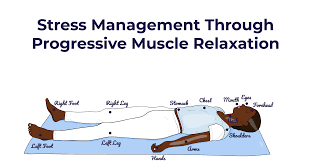
- Start with your toes: tighten muscles for 5 seconds, then release.
- Move upward legs, stomach, arms, shoulders, face.
- Feel the contrast between tension and relaxation.
Benefits: Releases hidden body stress that drains mental energy.
Guided Imagery or Visualization

Imagine a peaceful place a beach, forest, or mountain view. Use all senses: what do you see, hear, smell, and feel?
Benefits: Distracts from stress, improves mood, refreshes thoughts.
Mindfulness Meditation

Focus on your breathing or surroundings. When your mind wanders, gently return your attention.
Benefits: Builds mental clarity, reduces overthinking, and strengthens focus.
Autogenic Training

Repeat calming phrases like:
- “My body is heavy and relaxed.”
- “My heartbeat is calm.”
Benefits: Encourages deep relaxation, lowers stress, and balances emotions.
Yoga for Relaxation
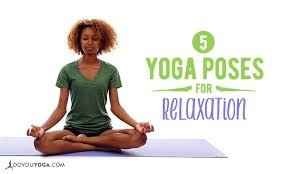
Gentle poses like Child’s Pose, Corpse Pose (Savasana), and Legs-up-the-Wall release tension.
Benefits: Combines body movement and breath to refresh both mind and body.
Tai Chi and Qigong

Slow, flowing movements with mindful breathing.
Benefits: Improves balance, reduces stress, boosts energy.
Mindful Walking

Walk slowly and notice your steps, the sound of birds, or the breeze on your face.
Benefits: Refreshes the mind while staying active.
Listening to Relaxing Music

Play soft instrumental music, nature sounds, or meditation tracks.
Benefits: Instantly soothes stress and uplifts mood.
Journaling for Stress Release
Write down your worries, goals, or random thoughts.
Benefits: Clears mental clutter, improves self-awareness.
Gratitude Practice
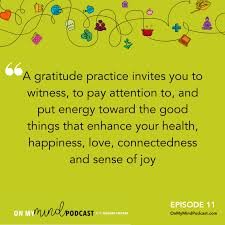
Write 3 things you’re thankful for daily.
Benefits: Shifts focus from stress to positivity, creating a refreshed mindset.
Aromatherapy

Use essential oils like lavender, peppermint, or chamomile.
Benefits: Natural scents promote relaxation and reduce anxiety.
Warm Bath or Hydrotherapy

Soak in warm water or take a relaxing shower.
Benefits: Relieves muscle tension, refreshes both body and mind.
Nature Connection Green Therapy

Spend 15–30 minutes outdoors in a park or garden.
Benefits: Restores focus, reduces stress hormones, boosts creativity.
Digital Detox Breaks

Unplug from screens for 30–60 minutes daily.
Benefits: Reduces eye strain, lowers stress, gives your mind real rest.
Grounding Techniques
Notice:
- 5 things you see
- 4 things you feel
- 3 things you hear
- 2 things you smell
- 1 thing you taste
Benefits: Brings the mind back to the present moment.
Gentle Stretching
Stretch arms, neck, and back slowly.
Benefits: Reduces stiffness and refreshes energy.
Laughter Therapy
Watch a comedy clip or laugh with friends.
Benefits: Releases endorphins, reduces stress, instantly lifts mood.
Creative Activities Art Coloring Crafts
Draw, paint, or do DIY crafts.
Benefits: Expresses emotions, refreshes thoughts, boosts joy.
Power Naps
Take a 10–20 minute nap.
Benefits: Improves alertness, memory, and mental clarity.
Tips for Practicing Relaxation Daily
- Start with 5 minutes a day and build up.
- Mix techniques — e.g., deep breathing + journaling.
- Practice at the same time daily for routine.
- Use apps or YouTube guides for support.
- Stay patient — results build over time.
Common Challenges and Simple Fixes
- Mind keeps wandering: Try guided meditations instead of silent ones.
- Not enough time: Even 2 minutes of breathing helps.
- Impatience: Track progress in a journal for motivation.
- Distractions: Find a quiet corner or use calming background music.
Frequently Asked Questions
Q1: How long should I practice relaxation daily?
Even 10–15 minutes daily can refresh your mind.
Q2: Can relaxation techniques replace sleep?
No, but they improve sleep quality and reduce insomnia.
Q3: Which technique is best for beginners?
Start with deep breathing and mindful walking.
Q4: Can relaxation help with anxiety?
Yes, regular practice lowers stress hormones and eases anxiety symptoms.
Q5: Do I need special tools?
Most techniques only need your time and attention — no special tools required.
Table of Contents
- Why Relaxation Refreshes the Mind
- The Science Behind Relaxation
- 20 Mind Refreshing Techniques through Relaxation
3.1 Deep Breathing Exercises
3.2 Progressive Muscle Relaxation (PMR)
3.3 Guided Imagery / Visualization
3.4 Mindfulness Meditation
3.5 Autogenic Training
3.6 Yoga for Relaxation
3.7 Tai Chi and Qigong
3.8 Mindful Walking
3.9 Listening to Relaxing Music
3.10 Journaling for Stress Release
3.11 Gratitude Practice
3.12 Aromatherapy
3.13 Warm Bath / Hydrotherapy
3.14 Nature Connection (Green Therapy)
3.15 Digital Detox Breaks
3.16 Grounding Techniques (5-4-3-2-1)
3.17 Gentle Stretching
3.18 Laughter Therapy
3.19 Creative Activities (Art, Coloring, Crafts)
3.20 Power Naps - Tips for Practicing Relaxation Daily
- Common Challenges & Simple Fixes
- Frequently Asked Questions (FAQs)
- Conclusion
Conclusion
Refreshing your mind through relaxation is not a luxury — it’s a necessity in today’s busy world. With simple practices like deep breathing, yoga, journaling, and nature walks, you can reset your mind, reduce stress, and restore balance.
Start small, be consistent, and discover which techniques fit your lifestyle. Over time, your mind will learn to relax faster, giving you more focus, energy, and peace every day.
Remember: A calm mind is a powerful mind.